Showing posts with label Teacher Tips. Show all posts

Thursday, October 23, 2014

How to Prepare Students for the English Section of the ACT in 5 Minutes a Day!


The best advice I've ever received when it comes to grammar instruction is to: teach it for five minutes a day, follow a cumulative pacing chart and use activities that mirror the ACT.  The pacing chart is roughly as follows:

Capitalization
End Punctuation
Subject/Verb Agreement
Commas
Commas and colons
Dashes and semicolons
Sentence fragments
Run-on sentences
Contractions
Possessives
Verbs and adverbs
Verbs and tenses
Parallel structure
Nouns and pronouns
Sentence structure

Many of the topics above have multiple rules, and are therefore, taught over the course of several weeks.  Every fifth week the rules that weren't mastered are retaught and students are reassessed as needed.  All together, these skills are stretched out over the course of about 35 weeks.

On Mondays students go over the grammar rules for that week and see examples.  On Tuesdays, Wednesdays and Thursdays they complete short 3-4 question activities like the one pictured below.  These activities have short excerpts from real texts on the left with mechanics mistakes.  On the right are three to four questions with four multiple choice options that correlate to underlined and numbered sections of the passage on the left (just like the English portion of the ACT.  There are  four options and students choose the correct one.  Their work is graded immediately and the rules are reviewed when the class goes over the answers.  On Fridays students are quizzed on the rules for that week.


In addition to review weeks, students are reviewing all the rules they've been taught so far as they appear repeatedly in the weekly ACT-like exercises.  (For example, the first few weeks I have them practice capitalization rules.  The fourth week, I have them practice capitalization and end punctuation.  The fifth week is review.  The sixth week I have them practice capitalization, end punctuation and subject/verb agreement.  And so on and so forth.)  Also, once a rule has been taught, I expect them to apply it when they write.  They must recognize their mistakes and self correct their errors when they edit their papers.

So, why is this the best advice I've ever received?  The first is that you can teach grammar for the first five minutes of class, and it doesn't take over your lessons.  Secondly, students feel successful because it starts with the easy skills and proceeds cumulatively.  Finally, it has been proven to raise students' English ACT scores by several points.

Well, there you have it.  This is one of my best secrets.  I hope that you find it useful too.  If you have any questions, let me know!


Wednesday, September 24, 2014

Online Tool with Quick Brain Breaks


GoNoOdle is a must-check-out-because-your-students-will-love-it website.  It is ideal for the primary grades where students' stamina is limited to small burst of time.  You can create an account for free and then access any number of brain break videos/exercises.  Olympians will take your students through short training sessions before leading them in a virtual athletic competition.  It is a great way to give your students a short break to get out the wiggles in the classroom before transitioning into a lesson.

For other virtual tools, check out my pinterest board of "websites useful to teachers."

Friday, September 19, 2014

Five Fun Ideas for Open House


Since school has been in session for several weeks now, it is the time of open house. Here are five fun ideas for open house!


http://whyiloveart.blogspot.hu/2013/04/harris-elementary-art-show-2013.html


1. Why I Love Art has a great idea of doing a grid enlargement of "The Scream" which would make a perfect photo op for any students who come with their parents to open house. This could easily be tied into a math lesson as well by enlarging it with a set ratio. I love this idea!


http://media-cache-ec0.pinimg.com/originals/e5/e1/de/e5e1deff49b4e6937d1d327c59351d32.jpg


2. Now I'm sure most of us have seen the images of life size child self portraits at each desk. However, I saw this image and thought that this would be an extra fun twist on that by having each child draw themselves as super heroes! I could see many students getting very excited by this idea. This could easily tie into a writing project as well or even just work on adjectives or onomatopoeia.


http://theteacherscauldron.blogspot.com/2012/08/first-days-of-yearand-freebies.html


3. Get to know the parents of your students better with this parent survey from The Teachers' Cauldron. It's great to keep get all of this information that will be so useful the rest of the year! Scroll down towards the middle of the page and click on the link right above the image to download it.


http://www.thecornerstoneforteachers.com/documents/scavenger%20hunt.doc


 4. Have a scavenger hunt! I love this idea of doing an open house scavenger hunt so parents and their children will be able to find everything important in the school and/or classroom. The Cornerstone for Teachers has a great editable scavenger hunt here you can use.


http://www.teachingblogaddict.com/2012/05/open-house-brochure.html

5. Make a classroom brochure. MS Word has an easy brochure template you can use to create something customized for your classroom quickly and easily. Teaching Blog Addict has some tips here as well on how to create your own open house brochure!


If you have a great idea for open house please share it with us below! I would love to hear about it.


Thursday, September 11, 2014

Using Portfolios in the Classroom


One of the most effective tools I use to motivate and focus students is portfolios.  Many of my students have a difficult time staying on track, keeping up with their materials, meeting deadlines, etc.  When I give my students portfolios, it does several things to help them: 1) It puts all of their important due dates and assignments in one place that they find easier to keep up with.  2) It prioritizes assignments and puts them in an official file, communicating the importance of them for the students.  3) It becomes something that students take pride in and and responsibility for.

On the other hand, it is also helpful because it gives me a collection of their work to show parents and administrators how they are progressing.  When someone asks how my students are doing, what they are learning, if they are showing growth, or how I justify my students' grades, I have something solid to show them.

When I set up the portfolios, I do the following....

1) I plan with the end in mind.  I figure out what I want students to be able to do and what standards I want them to demonstrate mastery of.  I design a project that engages the students and incorporates the target skills.  I create a rubric for how I am going to grade their work.  Then I break the portfolio down into a series of assignments that show progression towards a big picture goal.  For example, if they are working on writing a research paper the due dates correspond to steps (research, notes, outline, rough draft and final draft).  If they are working on writing Spanish essays, the assignments get progressively longer and more complex.

2) I create a timeline/assignment sheet that identifies what I want them to do and by when.  I put it in a table format, print it and staple it to the inside cover of a file folder.  The assignment description includes mini checklist rubrics. I also include a space to put their grade and comments.

3) I color code everything.  Their folder is one color, the assignment sheet is another color, and rubrics are a yet another.  It is bright and easy to find and identify.

4) Students use it on a weekly, if not daily basis.  They are expected to keep up with it and organize it.  Student-teacher conferences always include a look at the portfolio.  Grades directly correlate with the portfolio, and because students have a grade sheet in their folder, they always know how they are doing.

Many of you probably already use portfolios of some sort.  If not, give it a try!


Thursday, May 22, 2014

Summer Ready Classroom Checklist


This is that time of year when summer break is just around the corner! Here is a checklist to help you see what you have left to do before that break arrives. I always like to enlist the help of my slaves... ahem my students ;) while they are still around to help make the work quicker.

Of course not everyone has to do all of these things and you may have to do things that are not on this list (please share to help others in the comments below!) but these are just some suggestions.
  • Wipe down desks and remove any tape, name tags, stickers, etc...

  • Clear out and clean any cubbies and/or inside of desks

  • Pass back any remaining work.

  • Take down artwork and bulletin boards.

  • Make arrangements or plans for any plants or animals in the classroom.

  • Take down any posters or items you will not need or that will change next year such as schedules.

  • Pack away and store supplies or art materials. Tip - as you are packing things away it's an easy time to note what is running low or what you used up so in the fall you will already have a list of what you need.

  • Pick up things off the floor. Most school I have worked at clean the floors thoroughly over the summer so make sure to not leave anything on it that you will need!

  • Label your things. Sometimes during cleaning desks and chairs can get moved around so if yours are labeled you can make sure to get your things back.

  • Remove any of your things from fridges and if you have a classroom fridge it's time to defrost!

  • List any items that are in need of repair that staff can take care of over the summer such as replace light bulbs or ceiling tiles.

  • Save or back up files on your computer.

  • Unplug your electronics.

  • Take home any valuables or personal items. You never know what could disappear over the summer!

     These are the things I usually do each year. Did I miss something or leave something out? Please let me know below.

Wednesday, May 14, 2014

The Alphabet of Encouragement


Brian Tracy, a motivational speaker and author, says, "Whatever we expect with confidence becomes our own self-fulfilling prophecy."  In other words, what we think will happen too often directs our path and becomes a reality, even if it needn't be.  Tied to the development of beliefs is the act of listening.  What we hear, we tend to believe, particularly if it is coming from someone we consider to be a reliable source.  If someone who knows and is supposed to care about us tells us we are going to go to college, we start to believe it.  If that same person says that we are never going to be anything in life, the same is true.  We start to believe that too.

As teachers who spend a significant amount of time with our students throughout the school year, we have the opportunity to speak life into them.  So, I've written an ABC's of compliments.  I'm sure you can think of your own, but this is a good place to start...

Amiable, amazing, adorable, athletic, artistic, awesome
Beautiful, bubbly, blossoming, better, beaming
Cool, charming, confident, collegiate, compassionate, clever, controlled
Diligent, dependable, deep, decisive
Excellent, enchanting, energetic, empathetic, engaging
Fabulous, fun, funny, fashionable, friendly, faithful, fantastic, focused
Generous, giving, good, great, gentle, genial
Honest, honorable
Intelligent, independent, ingenious, insightful
Jolly, jazzy, joyful
Keen, kind
Lovable, loyal, likable, leader
Magnificent, marvelous, modest, memorable
Neat, nice, nifty
Outstanding, outspoken
Perfect, practical, profound, persistent, poised, peaceful, patient
Quality, quick
Resilient, receptive, regal, right
Studious, smart, super, serious, selfless
Terrific, talented, tenacious
Unbelievable
Vivacious
Witty, wise, wonderful
Xtra special
Youthful
Zany

Friday, May 9, 2014

Five Fun Activities for the End of School


The end of the school year is a great time to do fun activities and projects with your students. I've also found that I need to come up with particularly interesting activities to keep their attention the closer summer break comes! Here are five fun activities for the end of the school year.

1. Make a Book

You can use books for many different things at the end of the school year. You can have students summarize their knowledge of a particular subject or use it for a final project. Just for fun you could have students make a book to celebrate their year in school or have each student in the class contribute a page as a memory book.

Here are instructions to make a mini book and this is a great article about making books by hand.

2. Write a Letter

Letter writing can be fun depending on the topic! Students can write letters to next year's class. They could also write a letter to themselves setting some goals either for over the summer or next year. Getting a letter like that in the mail is something I would have looked forward to when I was in school!

3. Have Fun Outdoors

Holding a class outdoors changes the mood and atmosphere automatically. Planning a lesson that incorporates the outdoors lets students get a taste for summer while still learning. Team building exercises would also be perfect for an outdoor setting.

4. Make Some Art

Art is a great way to end the school year. Students could make welcome back signs for next year's students or make posters about what they learned. Getting a bulletin board ready either for the end of school or the fall is another idea. Make aerodynamic kites or paper airplanes and test them out outdoors.

5. Play Games

Play games to review knowledge such as Jeopardy, bingo, memory and more. Check out our article with more ideas. You can also play fun games like team building activities or Minute to Win It games. You could even hold a mini carnival and have small groups in charge of a simple game as students rotate to play.

Have fun these last few weeks and hope everyone's summer break comes soon!


Friday, April 11, 2014

Using Recycled Materials in Your Classroom


Since Earth day is near I am re-posting this article from a few years ago that has some great ways to use recycled materials in your classroom.

Earth Day is coming up and it is a theme I use daily in my classroom. After having taught art in classrooms where the annual budget was sometimes zero, I have the motto that recycling is my friend and there are cheap and easy ways to be kind to mother earth.With more budget cuts in education, supplies are one of the first areas to go. Using recycled and free materials is a great and easy way to teach fun lessons without emptying your own pocketbook.

Where to find recycled materials? I collect some items throughout the year to use in my classroom and bring them in as I get them. Old magazines and newspapers come to mind. If I need something more last minute, I always ask and people are more than happy to share things that would normally go to the trash. Some cities and town may also have places that collect items that would otherwise go the the trash. Here in the Chicago area a great resource is SCARCE. I have gotten many great items from them that seem as good as new to me even though other schools decided there was no need for them. 

Here are some ways you can use cheap and free recycled materials in your classroom.

Newspaper

- Use newspaper torn into strips for paper mache. This could be used to make pinatas, planets, animals, and more. If you are on a very tight budget flour and water mixed make a very cheap paper mache glue. Mix it to the consistency of thin yogurt. Make sure it is not too thick or lumpy!
 - Use newspaper for covering surfaces when you are painting or doing anything messy in your classroom.
- Newspaper can be used as stuffing. I have seen newspaper stuffed in between paper to create 3-D looking animals and more.
- For a cheap origami paper, cut newspaper into squares.
- Use newspaper to create a pot for seedlings and plants. It is environmentally friendly and can be planted directly into the ground!

Cardboard Boxes

- I used these as storage when I had only a small cabinet in my tiny classroom that I had to share with another teacher. I piled two layers of cardboard boxes filled with supplies on top of my cabinet. I kept the supplies I used less often at the bottom and rotated the boxes if I needed to. To keep it looking nice I bought a very cheap piece of cloth that I used like a sheet to cover the boxes.
- Use cardboard as construction materials such as when making things like buildings, a puppet theater, landscape models, and more.

Tubes and Rolls

- I love using tubes (empty wrapping paper tubes) and empty paper towel rolls for many different things. One of my favorite projects is using tubes to make rain sticks! You can find my lesson for making your own rain stick here.
 - Empty tubes can also be turned into kaleidoscopes, imaginative periscopes, totem poles, vases for faux flowers and legs for newspaper animal bodies.
- Cutting tubes apart into rings can make beautiful designs that would be perfect for lessons on symmetry or geometry.

Other Materials

- Whatever you find you can make creative use of! In the photo at the top of this article is a finished product after having my students make things that have to do with nature using recycled materials. They used empty chip bags, soda cans, and whatever they could find and the results were great! This would make a great end of a unit type project. I also have a former colleague that auctioned these off during a parent night and gave the proceeds to an environmental organization. Great idea there!
- Use leftover plastic to create mock Chihuly sculptures with your students. They look gorgeous and the students will feel proud that they used recycled materials.

Please feel free to share how you use recycled materials in your classroom. I am always open to new ideas!

Thursday, February 6, 2014

For Frugal Teachers Only


Lesson Lady and I have had the privilege of working at schools that have taught us to be resourceful.  Our budgets many years have been nonexistent.  For a variety of reasons, we frequently have students coming to us without the necessary materials.  So, we have learned to differentiate between what we want for our classrooms and what we need, and find creative ways to get things done.  Here are just a few tips....

1) If students do not have something to write with I give them a golf pencil.  It supplies them with what they need while encouraging them to bring their own writing utensils because they prefer regular sized pens and pencils to the hand cramping minis.

2) This is an obvious one, but recycle paper.  Whenever I have unused single sided paper I cut it in half and use it for scratch paper, notes, etc.  I never buy notepads anymore.

3) Need to cover an old bulletin board?  Use fabric that can be washed and re-used or paint it.  This will save you from covering it-- and recovering it again later-- with paper.

4) If you can digitalize it, do it!  Save on ink and paper.

5) Trying to make the room look a little more cozy?  Hit the thrift stores and garage scales.  Scavenge through college towns during move out week.  Pick up an old piece and make it new with a little paint.

6) Struggling to find storage space in the room?  Tack a piece of cloth to a book shelf to keep students out of the stuff you want tucked away out of sight.  It isn't secure, but the cloth with deter 99% of your students from accessing that space.

7) Have a student center where left behind supplies can be picked up and used by students who don't have something.  I call these supplies orphans who are looking to be adopted.  When students ask for supplies that is the first place I direct them.

8) Ask parents to donate supplies that you know you will go through.  For me, these include kleenex, hand sanitizer, printing paper, dry erase markers and band aids.  It is an easy way for parents to contribute if they are busy and struggle to find a way to help out, but would like to.

9) Donors Choose is a great website to help teachers fund projects.

10) Use sheet covers and crayons to create a cheap set of dry erase boards for doing group activities.

11) Take pictures and turn them into postcards for sending notes home.  You'll save on stationary and postage.

12) Use old containers as storage bins.  So much stuff comes in sturdy plastic these days that you really shouldn't have to buy small bins for organizing school supplies.

13) Check out thrift stores and library sales in order to build up your classroom library.

14) Subscribe to our blog and find lists of quality freebies every week.  We make sure to hit most major holidays, so this can definitely help you with some of your seasonally themed lesson planning.

15) Stock up on supplies when they are on sale.  If your school allows it, you can sell it to students who come unprepared and use the profit to keep your school store stocked.

16) Artsonia allows you to post students' artwork.  Parents can then go on and buy products with the kids' art work on it.  A percentage of the profit will come back to you to use in your classroom.

17) Instead of buying thumb drives and external hard drives to save work, store it in google docs for free.  That way you don't have to worry about it crashing.

18) Most medium to large sized cities have recycle centers where teachers can pick up recycled supplies for free.  Check to see if there is one in your area.

19) Pack your lunch instead of eating out.  Take a loaf of bread and turn it into sandwiches for a quick breakfast and/or lunch on the go.  This will prevent you from buying lunch when you're running too late to make something, not to mention save you time.

20) Embrace the uniform idea and save on buying school clothes.  When I was in high school I attended a school where the students didn't have to wear uniforms.  But, there was one teacher who had an outfit for every day of the week.  Once a year he rotated one outfit out and a new one in.  Students liked him, liked this odd quirk of his and always knew what day of the week it was.  He taught economics and I have to think the connection made his wardrobe a great object lesson in living frugally for his students.

Were any of these helpful?  Have ideas of your own?  Would like us to pass on more tips?  Leave a comment and let us know.

Wednesday, January 29, 2014

28 Ways to Celebrate Black History Month in Your Classroom


With African American history month coming up, here is a list of ways to celebrate for each day of the month!


  1. Play a game about African American history like my PowerPoint Jeopardy style game.
  2. Post a quote from an African American leader on your board each day of the month.
  3. Role play an event related to African American history in your classroom.
  4. Learn about African roots by making African artwork with your students.
  5. Listen to some African American jazz music while doing quiet studying in your classroom.
  6. Teach students what eggs have to do with Martin Luther King Jr.
  7. Read a novel with African American characters such as "The Color Purple."
  8. Follow Harriet Tubman on this interactive Underground Railroad journey.
  9. Create a timeline of African American history.
  10. Pretend you are African American leaders and give speeches.
  11. Watch a film about African American history such as "Eyes on the Prize."
  12. Act out a court case from the Civil Rights era.
  13. Create a collage titled "I Have a Dream."
  14. Do an African American history word search.
  15. Track African American athletes accomplishments during the Olympic games.
  16. Create trading cards of famous African Americans.
  17. Draw a scene from African American history.
  18. Analyze symbolism in a work of poetry written by an African American.
  19. Interview African Americans on their views of African American history month.
  20. Identify African American accomplishments in each subject area.
  21. Read about the history of hip hop.
  22. Construct a mock up of an African American invention.
  23. Cook soul food with your students.
  24. Create a paper quilt by attaching your students' artwork together that was inspired by the work of Faith Ringgold.
  25. Map out the path of the Freedom Riders on Google maps. Calculate mileage and gas cost using current prices.
  26. Visit a local African American history museum or historical location.
  27. Write a letter to an African American leader.
  28. Put on a play acting out a scene from an African American book.


Tuesday, January 7, 2014

Top 5 Blog Posts of 2013!


To recap 2013, here are the most popular articles from this year in no particular order.


http://onelessheadache.blogspot.com/2013/06/fabulous-friday-freebies-teacher.html

This post has tons of freebies that you can order and relax as they come to your mailbox! Love freebies in my mail.

http://onelessheadache.blogspot.com/2013/08/fabulous-friday-freebies-ice-breakers.html


This list of free ice breakers is fun for students throughout the year! You can also use them as a team building activity for times when students need to get along better.


http://onelessheadache.blogspot.com/2013/04/ways-to-grow-plants-in-classroom.html

Find fun ways to grow plants in your classroom with this fun article! With spring just around the corner it might be a good time to try one of these ideas.


Spending money on rewards for students can be a costly undertaking! Try the free reward and incentive ideas listed on this post.


http://onelessheadache.blogspot.com/2013/10/halloween-costume-ideas-for-teachers.html

Last but not least, this article about dressing in costume in your classroom had a lot of hits. This must mean that there are a lot of teachers out there who like to dress up for Halloween!


If you've already checked out all these articles, thank you so much for being a dedicated follower and reader! We appreciate you so much.

Friday, November 22, 2013

Fabulous Friday Freebies: 100 Holiday Classroom Ideas Worth Reading


  1. Make bake-less Christmas cookies with your class.  These are simple, yummy and could be adapted to any season.
  2. Buy some pipe cleaners, googley eyes and red pom-pons.  Rent a movie and make some healthy reindeer snacks to munch on.
  3. Is it snowing yet?  Take the kiddies outside and play snow games.  Here are seven great ideas.
  4. Make a candy turkey.  They are super cute and a big hit with all ages.
  5. Martha Stewart has a high quality photo gallery of 32 easy Christmas crafts.
  6. Have students research how Christmas is celebrated around the world.
  7. Encourage your students to commit random acts of kindness.
  8. Have some fun with holiday puns.
  9. Create your own ornaments.  Here are 8 great ornament ideas for older kids.
  10. Who doesn't love to get their hands full of paint once in a while?  You can choose between 15 great ideas and have your students make hand and footprint Christmas crafts.  
  11. Have your students make a piñata.  That is one of the coolest group projects that I remember doing as a kid and have done since becoming a teacher with my students.
  12. Download boardgames, word searches and 25 other free Christmas activities to build excitement as we count down day to Christmas.
  13. Do your kids like to color?  There are coloring pages galore online and about 50 Christmas coloring pages on this site.


Wednesday, November 13, 2013

Pros and Cons of 0-4 Grading Scale


Recently, I have had some interesting discussions and read several articles about the 0-100 point grading scale versus the 1-4 point grading scale.  Apparently, it has become a fairly controversial topic with people passionately arguing both sides.  A synopsis of the arguments for and against changing from a 100 point scale to a 4 point scale are below.

Pros of the 1 to 4 point scale:
1) Since the letters basically go in order, making a 4 an A, a 3 a B, a 2 a C and a 1 a D correlates better.  Proponents of the 4 point scale argue that an F should not cover a 60 point spread, as is seen in the 100 point scale.
2) Students feel that it is easier to make up lost ground on a 4 point scale than a 100 point scale.
3) Not giving students a 0 eliminates the use of a grade to punish students.  Instead, students are given incompletes.  That way, students learn that the expectation that they master the objectives is an imperative and they can't just accept the 0 and let it go.
4) The 4 point scale correlates to how most qualitative rubrics are scored.


Cons of the 1-4 point scale:
1) If you have a grading program that automatically calculates percentages, the four point scale will still be converted to a 100 point scale in the end anyway.
2) Teachers who feel that the even increments of the letter grades is not reflected by the 100 point scale can give students number grades instead of letter grades.
3) Giving students zeros for not turning in assignments teaches them that there is a consequence when they do not complete an assignment.  Students need to learn that there is a correlation between their actions and the outcome.  This encourages an internal locus of control.  This also prepares them for the "real world" where they will be expected to meet deadlines, complete assignments, etc.
4) The 100 points scale allows a more accurate assessment of how much of the assignment they did and/or did correctly.


Thursday, November 7, 2013

Earn Extra Spending Money for the Holidays!


 Every year after opening presents my family says that it is time to cut back the gift giving next year, we gave so many gifts it was too much, next year we will set limits. Then, the next year arrives and even with the new set limits gift giving still is overwhelming. If your family is anything like mine, you may also want some extra cash for the holidays. Even if your family isn't like mine, who wouldn't love some extra cash? Maybe you could use it to go away for the holidays. That's my dream one day!

No matter what you want to use it for, here are some ways to earn some extra money for the holidays.

1. Sell your teaching ideas & lesson plans online.

If you are a teacher this could be the most natural way to earn extra money. I highly recommend signing up as a seller on Teachers Pay Teachers. If you are not sure of how many lessons you will end up posting, you can sign up for a basic seller or if you plan to sell a lot of lesson plans, sign up as a premium seller for $60 ayear. You can sell your lesson plans, worksheets, PowerPoint presentations and more online. Some sellers even sell just Clip Art so there is really a niche for everyone.

Although you may have to make some changes to your lessons to make them sell more online such as adding a title page, copyright sign and table of contents, most likely you will be rewarded for your efforts.

I also like hearing feedback from other teachers which has given me good ideas on new ways to use my lessons or things I could add to them that could help students more.


2. Work as a tutor.

Now this is probably not an option for most since teaching most of the time is really more than a full time job but if you do find you have extra time or will make extra time, tutoring may be the way to go. Students are gearing up for the ACT and there are many companies hiring tutors to help students raise their scores. Students that are starting to struggle may also need tutors in various subjects. You can find many of these ads on Craigslist. I have applied to several of these listings before and was contacted quite quickly by them after responding to their ad.

Tutor Nation is a great place to register as a tutor and advertise your services. Here is a good article about starting your own tutoring business with a lot of tips and things to think about.

3. Teach a class.

Now you may want a break from teaching, but you may enjoy teaching something different of more of a personal interest. Most park districts offer fall and spring classes and I have found that if you call in advance with a new class topic, they are very open to new offerings. This would be a fun opportunity to teach something you don't normally get to teach such as garden tips or crafts and might refresh you.

4. "Earn" money by becoming a super saver.

Start using coupons and looking for sales to save extra money that you can use towards your holidays. There are thousands of coupon blogs out there. I enjoy finding deals and reading Swaggrabber and Money Saving Mom.  In the past couponing would require subscribing to a newspaper but today with so many printable coupons it is easy to start saving right away. I do subscribe to a newspaper for the coupons but more and more am finding that I mainly use printable online coupons.


Are there any creative ways you earn money for the holidays? Please share your tips and tricks in the comments below and I would love to feature you in an article this month.

Friday, October 25, 2013

Fabulous Friday Freebies: More than 150 freebie compilation!


Below is a list of more than 150 free teaching resources! There is plenty for each age level and subject area. Enjoy!

Fall Themed Freebies

 Winter Themed Freebies


Spring Themed Freebies


Summer Themed Freebies


Year Round Freebies

 Free Lesson Related Freebies

 Freebies Just for Teachers

Friday, October 4, 2013

Fabulous Teacher Freebies to Fill Your Mailbox - Part 3!


Here is part three in our series dedicated to get you get educational freebies delivered to your home in your mailbox!  If you missed part 1 or part 2, please check them out and your mailbox will be filled shortly.


Get a free sun safety tool kit from the EPA for your classroom! Each kit contains over 50 cross-curricular activities and a free UV sensitive frisbee. Kits are recommended from grades K-8. Different schools and teachers may get different kits so check out the form as you request your kit for more information.


Get free seeds and begin growing plants in your classroom from Wintersown.org. You can select which seeds you would like to receive. How should you grow your plants? Check out these 15 ways to grow plants in your classroom for some great ideas!


Hey it's free! has a list with accurate links to each of the 50 states to request a paper state map. Most all of these links are through the state tourism office so you will also receive tourist info about your selected state.


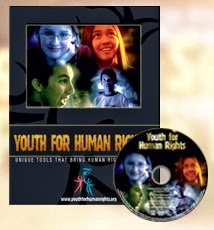
The Youth for Human Rights offers a free kit for educators to help your students understand human rights. If you apply for this freebie, they do ask for you to provide them with feedback on the materials provided. The kit includes a booklet and DVD.


Milk Delivers.org offers a wide range of freebies dedicated to the benefits of milk. Freebies include brochures, fact sheets, posters, buttons, stickers and more! You can easily select which freebies you would like and the quantity you need.


Saturday, September 21, 2013

Fabulous Teacher Freebies to Fill Your Mailbox - Part 2!


If you enjoyed Fabulous Teacher Freebies to Fill Your Mailbox Part I, here is part 2!  Here are some more teacher freebies that you can enjoy as they arrive in the mail. I love getting free things, especially directly to my own home.


Get a free ocean book cover that contains information about the 7 things you should know most about the ocean. Supplies are limited! Email your requests through this link.


Apply for a free, one year subscription to Yes! Magazine. This free deal is only available to middle and high school teachers, librarians and home schoolers. 


Get free Learning catalogs and DVD's by the Education Center. Free lesson plans are on most DVD's and other fun things to use in your classroom.


Values.com offers a set of free posters and DVD to help teach values to your students. This freebie is available to schools and non-profit organizations.


The EPA offers a free "Make a Difference" middle school kit to help your students learn about how they can help the environment.


Saturday, September 14, 2013

Fabulous Freebies: Get Organized!


One of my constant goals is to stay organized and beat back the mountain of papers that come along with teaching.  Every time a pick up a stack to sort through it, I seem to find papers that are as old as my teaching career.  I could just throw everything in the trash, but I have this problem where I feel the need to know what I'm pitching.  Then there are the papers I copy for every class and the papers I get back to grade and the papers I get from weekly meetings and the papers with my lists of things to do and so on and so forth.  Sound familiar?

Don't get me wrong, papers have not swallowed my classroom whole....yet, but beating back the prolific paper piles is a constant job.  Keeping organized so that the most important papers don't get tossed out with the excess takes time, attention and planning.  So, what do I do?  Here are a few things that I use--and a few things that I should start using--to help me be better organized.

1) I keep a small calendar with me at all times to record meetings and due dates throughout the year.  Free templates can be found at WinCalendar.

2) There are several places where you can save papers online.  Of course there is Google Drive, but there is also Evernote.  Both places allow you to save documents, notes and images.

3) Three must-have binders: plans and calendars, student information and substitute materials.  Check out this blog for more details.

4) I always have daily and weekly to-do lists.  I start each week by laying out the things that I need to accomplish.  I keep my to-do lists in a notebook, but there are also cute online templates.

5) The Adventures of Room 83 has a great blog entry about organizing papers, with ideas for how to categorize supplies and files.

6) Want dividers to categorize your important files?  Check out these cute binder covers.

7) And, my favorite...Scholastic has 100 organizing tips for arranging your classroom without paying a cents.

If reading over this blog for 30 minutes saves you five minutes a day throughout the coming school year, then it is time well spent.

Happy organizing!


Saturday, July 20, 2013

Fabulous Friday Freebies: Places to Find Free Resources


There are many places to find free teaching resources on the web. Here are some of my favorite places to find free teaching resources.


Pinterest is my number one resource to find free resources on the web. I love that you can see what you are getting with the image and it is easy to store and review things so they don't get lost or forgotten.


Although Teachers Pay Teachers has many items for sale, there are also thousands of free items since each seller must submit at least one free item. When you search you can limit your options so you only see the freebies. It is also FREE to sign up and start selling items here.


Money Saving Mom has a huge list each week free teaching resources compiled each week. Although it is listed for home schoolers, most of the resources can also be used by classroom teachers.


Teachers Notebook is similar to Teachers Pay Teachers in that although there are paid items, there are also many free items at your disposal. It's free to join and get the free items!


If you have a great free resource, please share it with us below.

Friday, June 28, 2013

Fabulous Friday Freebies: Teacher Freebies to Fill Your Mailbox!


I love getting free things in the mail! Nothing is better than finding freebies, samples and more when I open my box instead of just bills or junk mail. Here are some educational freebies you can sign up for to fill your mailbox! Also,check out part 2 and part 3 for additional freebies!


Get a free Idea Book for Educators. The Idea Book has teacher guides that go along with A&E programs. I have never ordered this before so I'm not sure how it is but since it's free it can't hurt to sign up for it!


Sign up for your choice of free sample issues of Scholastic Magazine! I love receiving free magazines in the mail for my classroom. They often include free posters & other classroom materials. Usually once you get one free magazine, they will continue to send them free periodically to get you to sign up for it. The freebies range all the way from pre-K to secondary level and can even have options for other languages!


Get a free Stossel Good Intentions Gone Wrong DVD. They do ask that after getting the DVD you leave feedback. This could be a good lesson for social learning.


Order a free The Federal Reserve & You DVD. You can get one free DVD per mailing address & name so you may want to have this shipped to your home instead of to school.


Get a free First Year Science Teacher's Survival Kit! There are lots of freebies in here so even if it not your first year teaching science it may still be beneficial to sign up. Plus it's free, so it can't hurt!


Get a free Braille Alphabet card. This could be a great way to help students learn about Braille and how people communicate through the sense of touch. Please note that this freebies is for US addresses only.
Related Posts Plugin for WordPress, Blogger...